Waterproofing a Shower in an Older Riverside Home
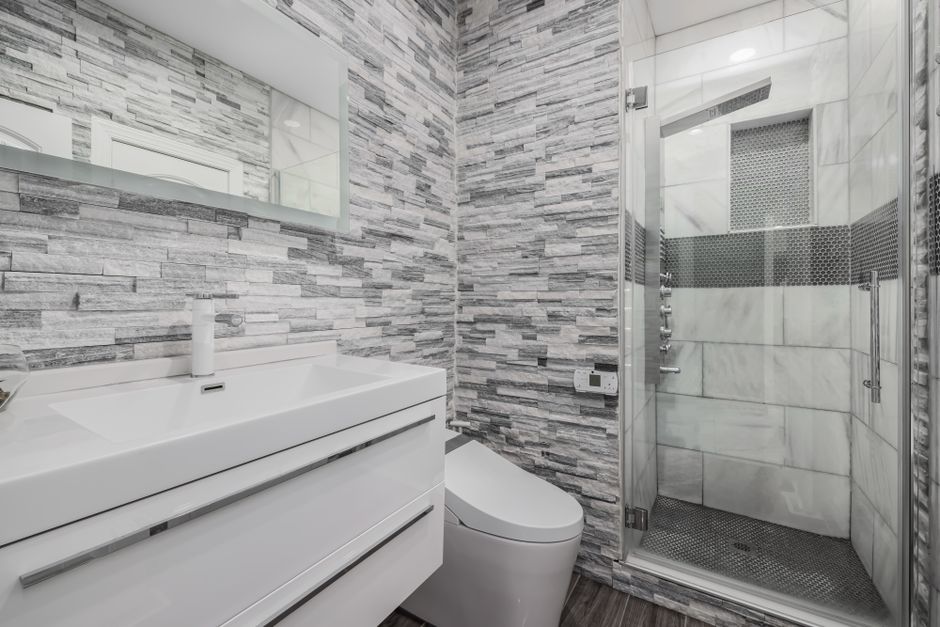
Pull a corner of the old tile away from the wall and look at the back of it before deciding anything about the new shower. Most bathroom remodel jobs in Riverside, CA start this way, and bathroom remodeling riverside virtual strategist treats the hidden layers as the real work, because tile and grout only decorate what sits behind them.
What older Riverside walls hide
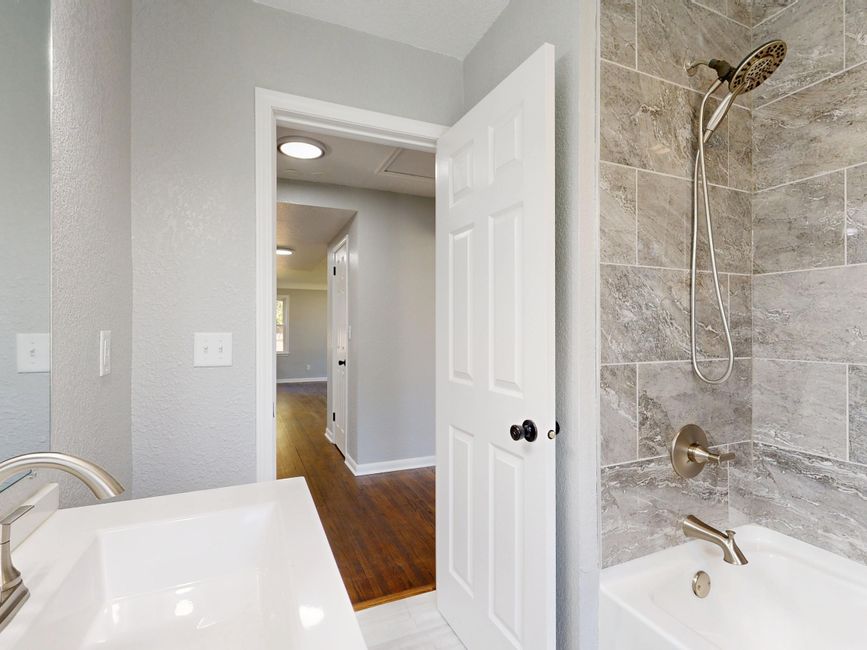
Houses built before the 1970s around Mount Rubidoux and the older streets near the Mission Inn often have a mortar bed or bare lath behind the shower tile, with no membrane at all. Tile and grout were expected to shed water, and for decades they mostly did, with the rest soaking into the framing. Once the wall is opened, a crew checks the studs at the base of the alcove for soft spots and dark staining before anything new is hung.
Cement board and the first layer
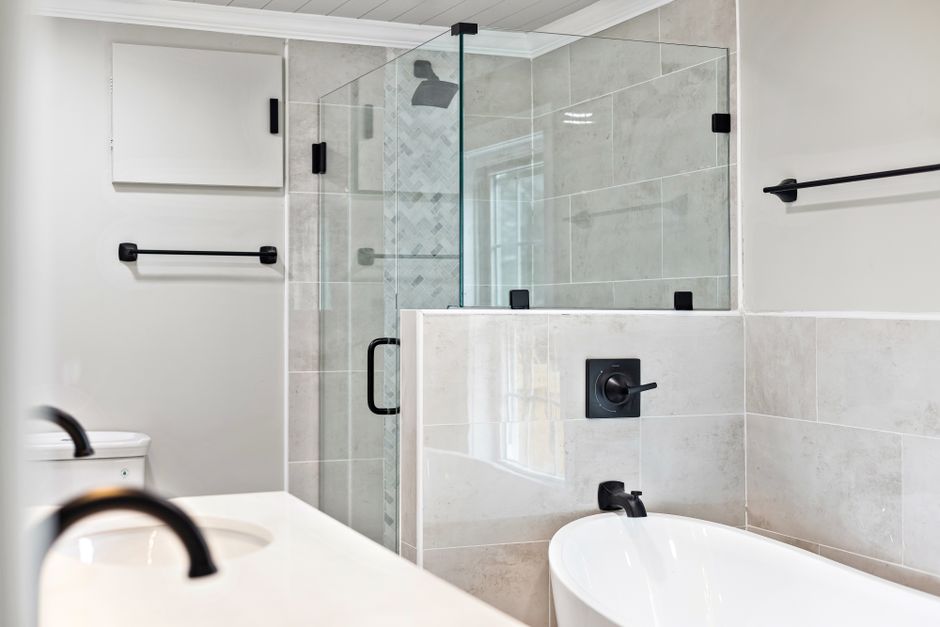
Cement board replaces the old backing wherever it was damaged. Sheets are screwed into the studs with the screw heads set flush, and the joints are taped with alkali-resistant mesh and filled with thinset. Cement board does not rot, but it is not waterproof by itself. Water passes through it slowly, which is why a separate membrane goes over the top.
The shower pan goes in before the wall membrane
The shower pan is built or set before the wall membrane so the wall layer can lap down over the pan edge and shed water inward. A mortar pan needs a pre-slope under the liner and a finished slope on top, always falling toward the drain. A prefabricated shower base skips the mortar work but still needs a full bed of thinset underneath so it does not flex. Where the old tub sat, the floor often has to be leveled before either type goes in.
Membrane, seams and corners
A waterproofing membrane is either a sheet that bonds to the backer board with thinset or a liquid that is rolled on in coats. Either way, the corners, the seams, the valve opening and the curb get extra attention, because that is where leaks start. A liquid membrane has to reach a specific wet thickness, and a crew measures it with a gauge instead of judging by color. The membrane carries up the wall well above the showerhead.
The flood test before tile
With the drain plugged, the pan is filled to just under the curb and left overnight. A marked water line that has not dropped by morning is the pass. Hot Inland Empire afternoons evaporate a little water from an open pan, so the mark is compared against a cup of water left beside it. Tile only goes on after that test, and the tile, grout and caulk at the corners are the last layers instead of the only ones.